When an electric scooter sells for USD 2,500 and people still line up to buy it, the business opportunity behind it is far bigger than you think.
An electric scooter priced at about USD 2,500 (around RMB 17,000) still finds buyers.
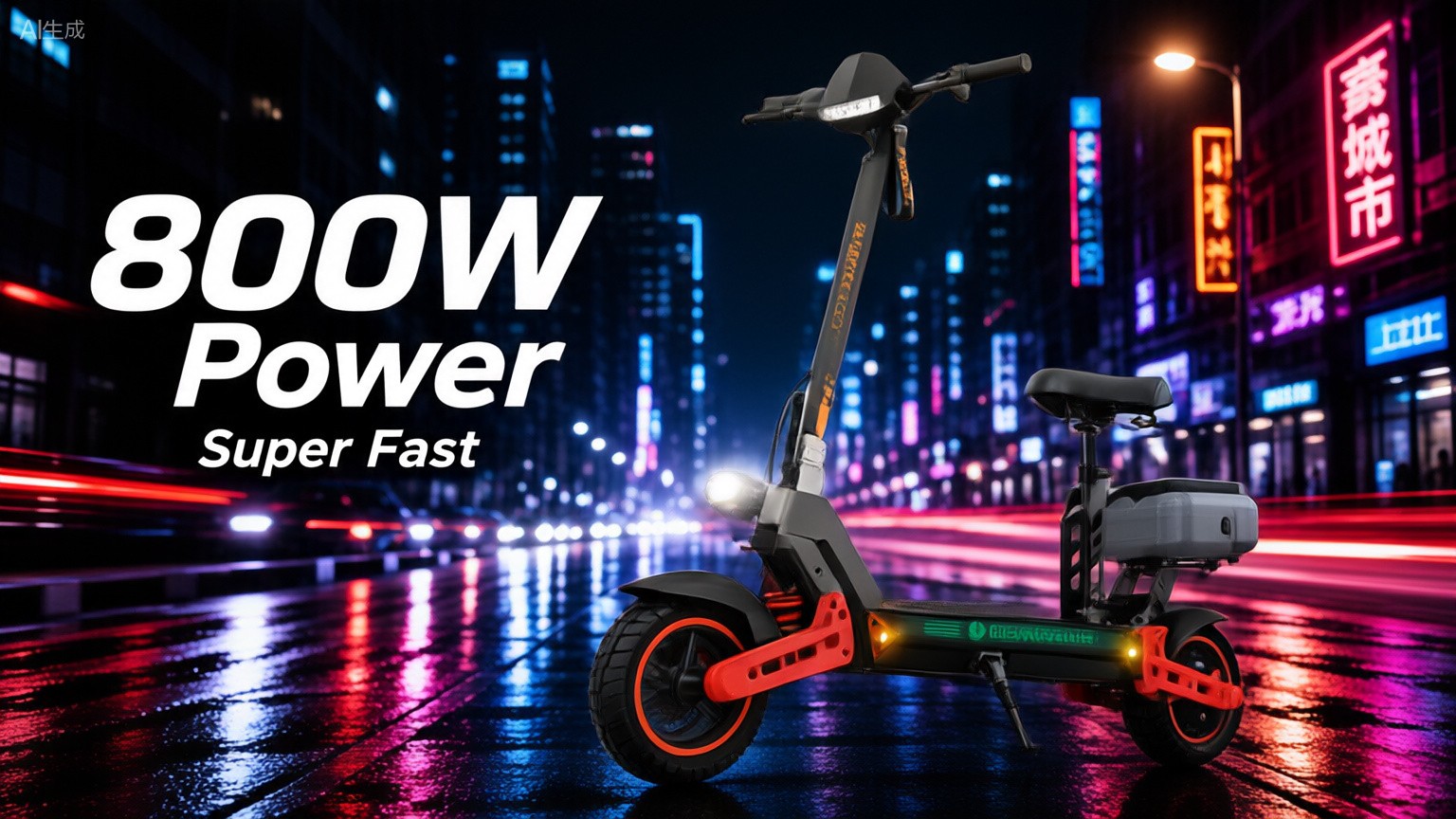
NAVEE (Navee), a high-end smart short-distance mobility brand under Suzhou Tantu Technology, recently launched the UT5 Ultra X, positioned as a high-end model mainly for European and U.S. markets. Its core competitiveness is not price, but “performance density”—dual 2400W front and rear motors, peak power of 4800W, top speed of 70 km/h, range of 120 km, and climbing ability of 45%–46%, already entering the performance range of light electric motorcycles.
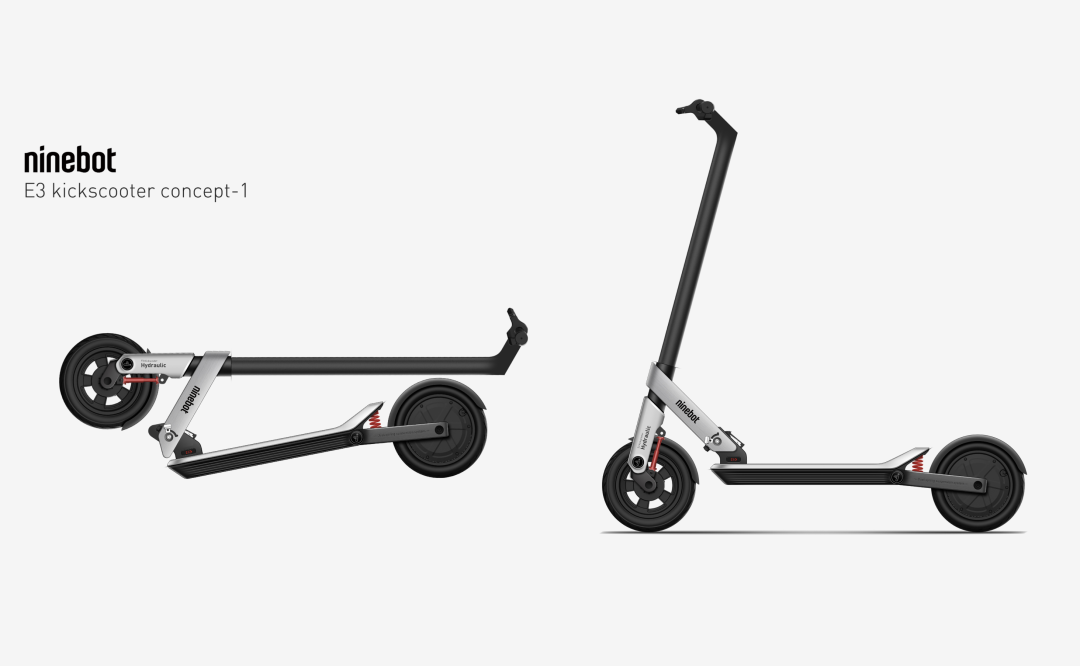
In terms of appearance, it adopts a “supercar-inspired design language,” with a low center of gravity, wide deck, and 12-inch large tires, making it look more like an electric motorcycle. For safety, it is equipped with front and rear hydraulic disc brakes + electronic braking system, traction control system, turn signals, and automatic headlights.
The conclusion is clear: electric scooters are evolving from “commuting tools” into “high-performance consumer products.”
European and U.S. consumers are willing to spend USD 2,500 on a scooter. What does that mean? It means the value ceiling of this market is much higher than many people imagine.
But here is the question—
When brands sell high-priced products in end markets, where do the goods come from?
From the supply chain. From factories.
enrichwheel, an electric scooter, electric motorcycle, and hoverboard manufacturing enterprise located in Jinhua, Zhejiang, China, is waiting for you to audit its factory in the core industrial zone of the global electric scooter industry belt.
The emergence of high-end products is not accidental.
NAVEE was founded in 2021. In just a few years, its business has covered more than 60 countries and regions, and it has entered mainstream offline channels such as MediaMarkt, Fnac, and Target. In January 2026, NAVEE officially released its global expansion strategy in Silicon Valley, announcing an upgrade from “a leader in European micro-mobility” to “a global intelligent mobility platform.”
Behind this is a larger industry signal:
The global electric scooter market is growing rapidly.
In 2025, the global electric scooter market is about USD 50.26 billion and is expected to grow to USD 114.78 billion by 2034, with a compound annual growth rate of 9.61%. The electric scooter and electric motorcycle market is USD 73.8 billion in 2025 and is expected to grow to USD 88.87 billion in 2026 and reach USD 292.03 billion by 2032, with a compound annual growth rate of 21.71%.
Now look at the export side. In 2025, Zhejiang Province exported RMB 4.755 billion worth of electric scooters, with more than 3.95 million units exported. Jinhua is a key contributor, with export value of RMB 3.281 billion.
The market is growing, and demand is changing.
Europe wants short-distance commuting, the U.S. wants high performance and social appeal, and emerging markets want durability and value for money. What buyers need is not “just any batch of goods,” but a long-term manufacturing partner.
Finding a reliable source factory is the first step to capturing the market.
Factory name: enrichwheel
Main products: electric scooters, electric motorcycles, and hoverboards
Factory location: Jinhua, Zhejiang, China—the core industrial zone of the global electric scooter industry belt
As a manufacturing enterprise focused on the R&D and production of electric scooters, enrichwheel builds its core competitiveness through a “hard power + soft power” dual-drive model.
We are not a middleman that only knows how to quote prices.
What we do is deliver every unit to overseas markets—from production and inspection to management.